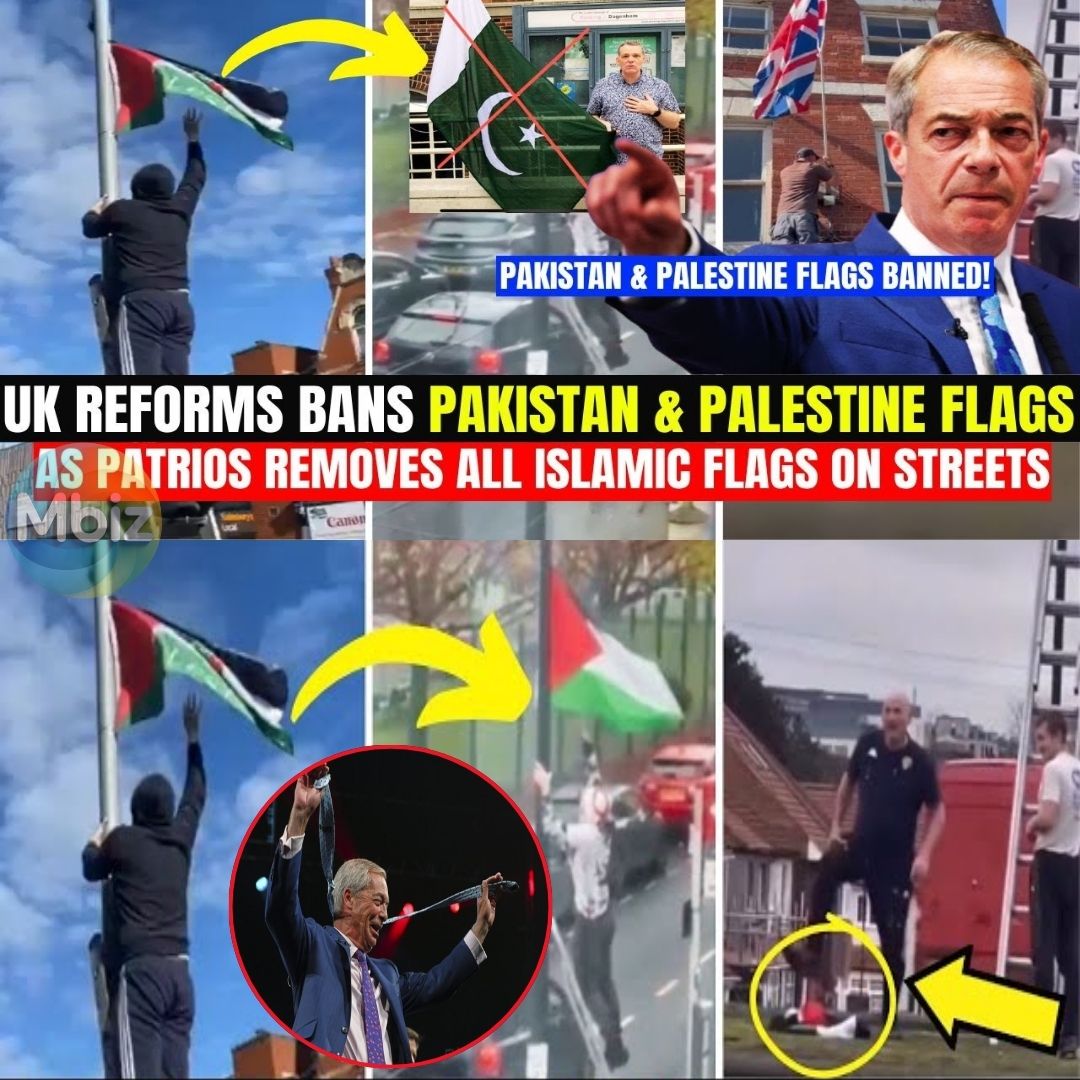
In a sweeping crackdown that has ignited fierce debate across the United Kingdom, Reform UK has announced a decisive ban on all foreign flags—including Palestinian and Pakistani banners—from public spaces throughout the ten councils their party now controls. UK patriots have taken direct action, removing Islamist flags from streets in a controversial campaign underscoring a charged nationalistic push to assert British identity and uphold what they deem traditional British values, escalating tensions nationwide.
 Following a stunning victory in local elections, Reform UK leader Nigel Farage declared a strict new policy prohibiting the display of any foreign flag in council-controlled areas, including the increasingly prominent Ukrainian flags that have symbolized support since Russia’s invasion in 2022. This measure applies to council buildings, flagpoles, balconies, and other public spaces within Durham, Kent, Lancashire, Staffordshire, Nottinghamshire, Darbishire, Doncaster, Northamptonshire, West Northamptonshire, and Lincolnshire.
The reform measures target flags associated with Islamist and foreign political causes, notably Palestinian and Pakistani flags. Chairman Zia Ysef emphasized that pride flags will also no longer be permitted over any property governed by Reform UK. This stark policy shift has effectively erased symbols that have become politically charged and, to some, provocative fixtures on British streets and government buildings.
The ban’s announcement triggered a surge of grassroots patriotism where ordinary citizens took to the streets with determination to physically remove foreign flags they viewed as disrespectful and out of place in British public life. Video footage surfaced of UK patriots pulling down Palestinian and Lebanese flags, actions cheered by supporters as a defense of British national identity, though critics warn these acts stoke division and intolerance.
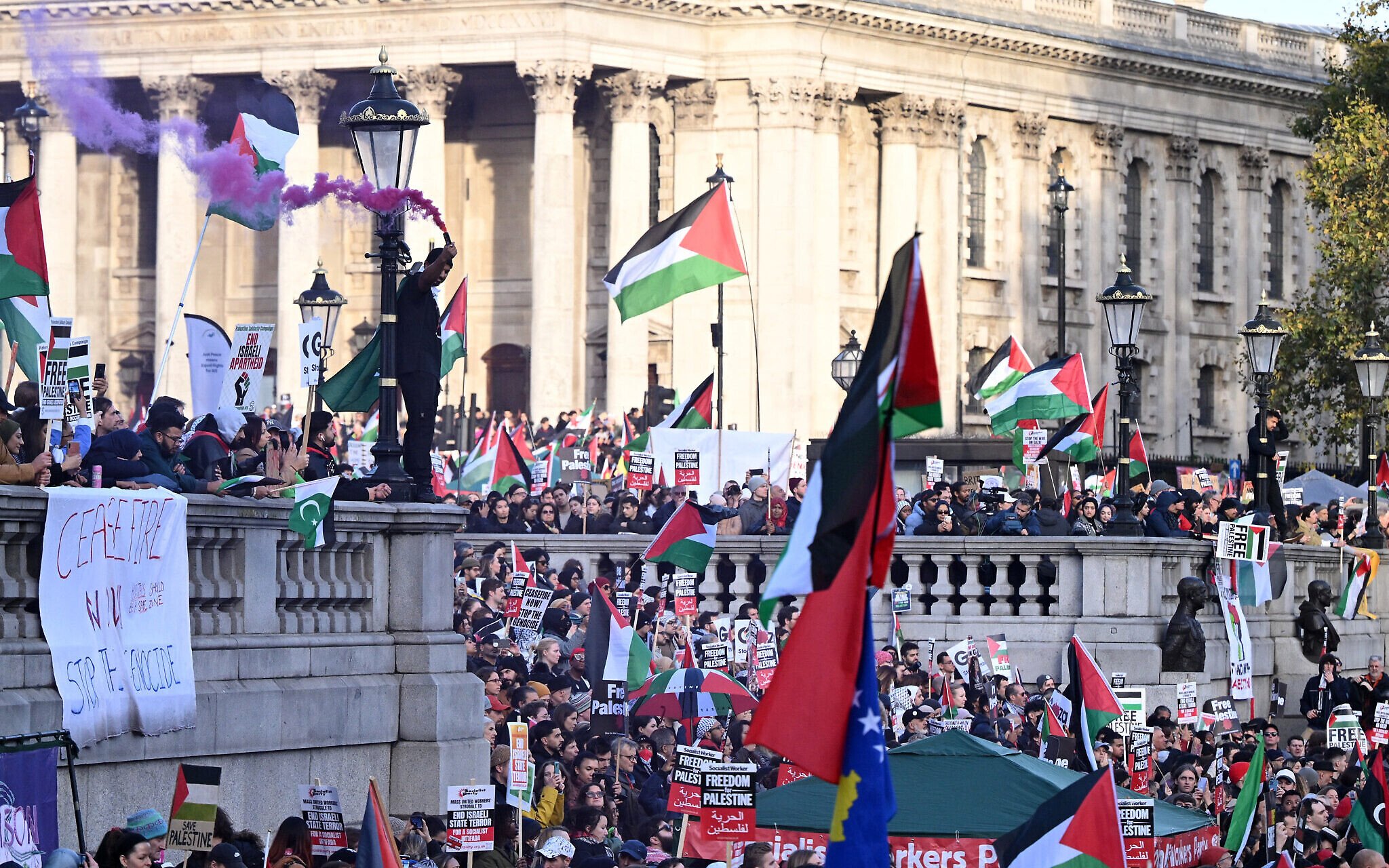 Proponents argue that foreign flags displayed in public spaces undermine British sovereignty and disrupt social cohesion by elevating external political grievances within the UK’s borders. They maintain that the Union Jack and England’s St. George’s cross must stand alone as symbols of unity and freedom—representing democracy and British values without competing ideologies visibly vying for space.
Meanwhile, Muslim and other minority community members who have raised these flags in solidarity with international humanitarian crises see such acts as an essential exercise of free speech and human rights advocacy. The forcible removal of these flags and the official ban inflame tensions, highlighting a clash between patriotic nationalism and multicultural expression.
Critics condemn the quiet response of UK authorities to these removals, accusing law enforcement and councils of tacitly endorsing vigilantism by failing to intervene. This silence has emboldened patriot groups to act unilaterally, deepening concerns about law and order and the protection of minority rights in the UK’s evolving social landscape.
Analysts point out this unfolding drama reveals deeper fissures within British society regarding identity, nationalism, and the meaning of patriotism. The symbolic language of flags—once a matter of simple pride—has become a flashpoint for conflict, raising urgent questions on what it means to be British in a polarized era.
 The Reform UK policy effectively excludes all foreign flags from official displays, including Ukraine’s, which previously garnered widespread sympathy and visibility. This move signals a dramatic shift in official attitudes toward symbols of solidarity and foreign political causes, redefining public space under a narrow vision of British patriotism.
The controversy echoes beyond politics into media coverage as well. Many incidents linked to flag removals and associated protests have received scant mainstream attention, leading to accusations of bias and censorship in reporting sensitive social and political issues related to immigration, religion, and national loyalty.
Recent events, such as reported attacks by gangs identified with minority groups and other violent incidents, have fueled fears among certain British communities who feel their voices and safety are neglected by authorities and media alike. This climate feeds into growing support for strict nationalist measures, even as it sparks vehement opposition.
 This pressing social conflict challenges the UK to balance respect for democratic freedoms, cultural diversity, and public order, all while confronting rising nationalist sentiments that demand a reassertion of a singular British identity. How government and society handle this turning point will resonate far beyond local council chambers.
As Reform UK implements its flag ban and grassroots patriots continue their campaign, the UK faces a critical test of unity and tolerance. The nation stands at a crossroads where symbols and slogans are not merely decorative but pivotal reminders of who belongs and whose voice matters in British public life.
This breaking scene underscores an urgent need for public dialogue to bridge divides and rethink the expression of patriotism in an interconnected world. Without engagement and mutual respect, the standoff over flags risks deepening fractures and undermining the very values of freedom and diversity Britain professes to uphold.


